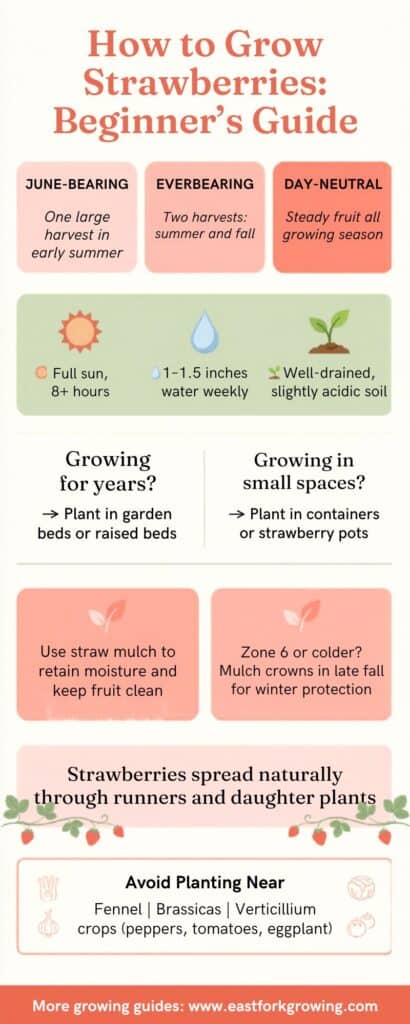
How to Grow Strawberries: A Guide for Beginners
There is nothing like walking out to your strawberry patch on a warm morning and popping a perfectly ripe strawberry right off the plant. Homegrown strawberries are sweeter, more fragrant, and more flavorful than anything you will ever find at the grocery store. This guide will show you how to grow strawberries in your own backyard.
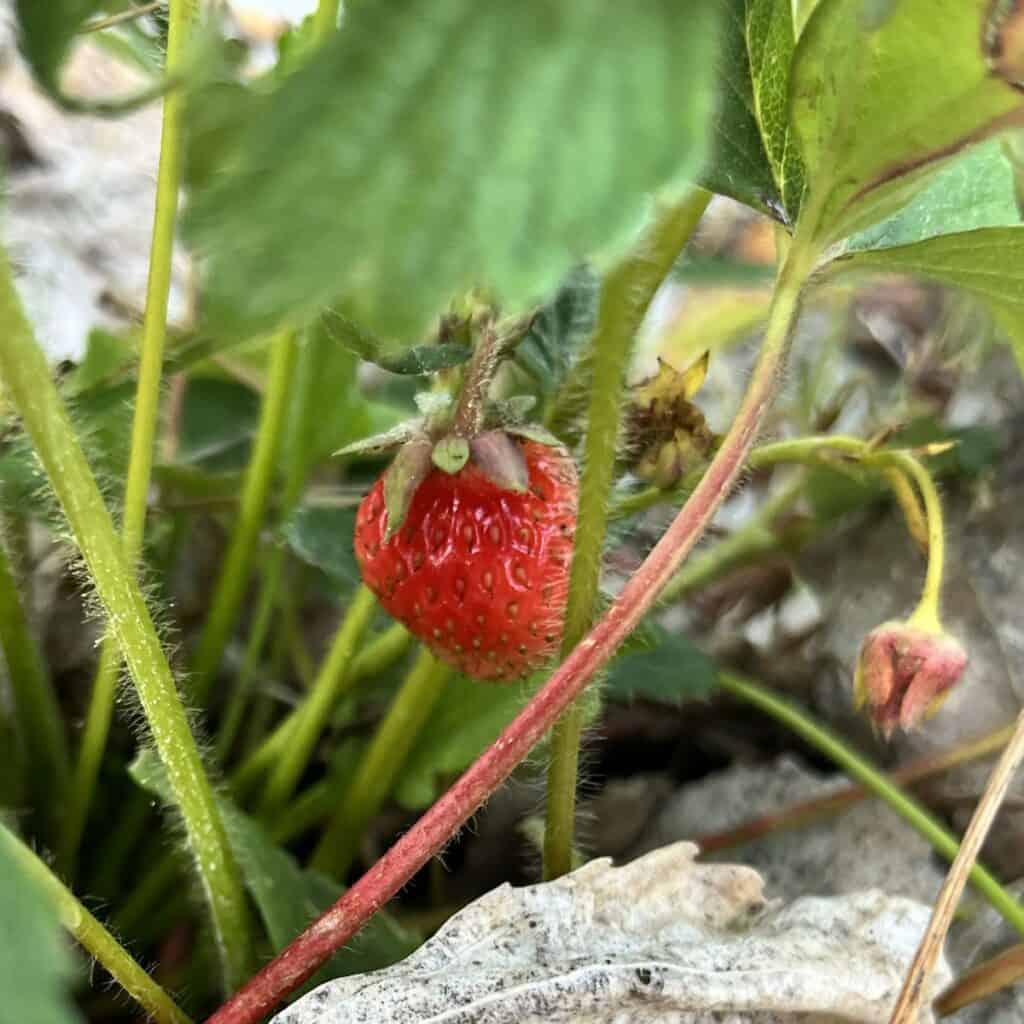
The best news? Strawberry plants are actually one of the most beginner-friendly fruits you can grow. Whether you have a large garden, a raised bed, or even a few large containers, you can grow juicy strawberries right at home.
Why Grow Strawberries at Home?
Homegrown strawberries ripen fully on the plant before you pick them, which is something store-bought fruit almost never gets to do. That extra time on the plant is exactly what gives fresh strawberries their deep, complex flavor.
Strawberry plants are also perennial plants, which means once you get them established, they come back year after year with very little effort. A little time invested in year one pays off for many growing seasons to come.
Quick Guide: Growing Strawberries
- Sun: Full sun — at least 8 hours per day
- Soil: Well-drained soil with pH 5.5–6.8
- Planting time: Early spring (zones 6 and north) or fall (zones 7 and south)
- Spacing: 18 inches apart (matted row) or 12 inches apart (hill system)
- Water: 1–1.5 inches per week
- Harvest: When fruit is fully red, typically 30 days after pollination
- Best for beginners: June-bearing varieties or everbearing varieties
Main Types of Strawberries
Before you order your plants, it helps to understand the three main types of strawberries. Choosing the right type will set you up for success right from the start.

June-Bearing Strawberries June-bearing strawberries produce one large harvest in late spring to early summer. They are the heaviest producers of all three types, making them a great choice if you plan to freeze, can, or make jam. June-bearing varieties also tend to produce the most vigorous runner plants and the largest fruit.
Everbearing Strawberries Everbearing strawberries produce two main crops — one in early summer and one in late summer or early fall. They are a good option if you want fresh strawberries over a longer stretch of the growing season rather than all at once.
Day-Neutral Plants Day-neutral plants produce fruit throughout most of the growing season, which makes them popular for home gardeners who want a steady supply. They tend to produce smaller individual harvests but fruit continuously from early summer through fall.
Choosing the Best Strawberry Varieties
The best way to choose a variety is to start with your local extension service. They will have recommendations specific to your climate and growing conditions.
A few popular and reliable varieties include Earliglow, Jewel, and Allstar for June-bearing types, and Seascape and Albion for day-neutral plants. Check the plant tag or seed catalog description carefully, as different varieties have different spacing, flavor, and fruit production characteristics.
Bare-Root Plants vs. Nursery Plants
Most home gardeners have two main options when it comes to planting strawberries: bare-root strawberries or nursery-grown container plants. Both work well, but bare root plants are typically the best choice for beginners.
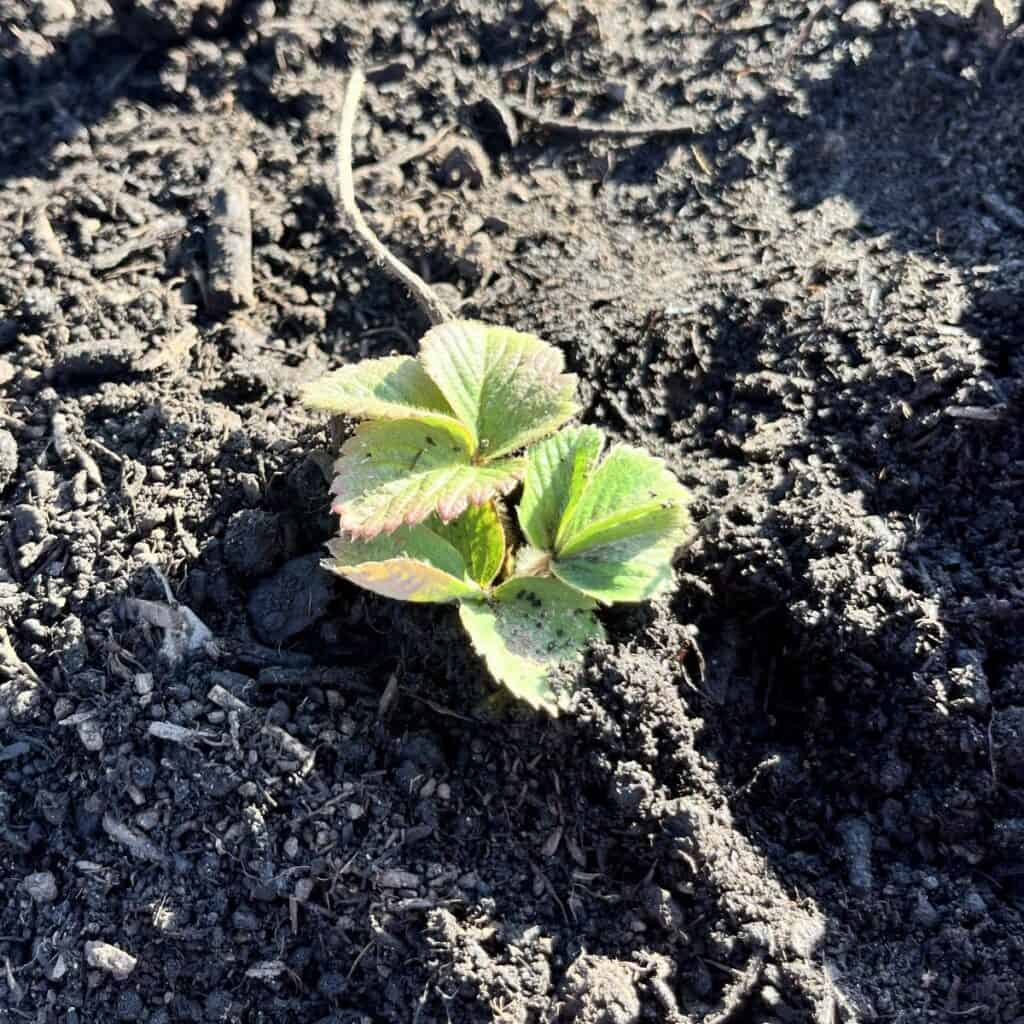
Bare-root strawberries are inexpensive — often less than $1 per plant — and they offer a much wider selection of strawberry varieties than what you will find at local garden centers. They are shipped during dormancy, planted in early spring, and establish quickly once the soil warms.
Nursery plants from local garden centers are more expensive but are already growing when you purchase them. They are a good option if you miss the early spring bare-root planting window.
Where to Plant Strawberries
Strawberry plants need full sun — at least 8 hours per day — to produce well. Less sun means fewer and smaller berries.
Good drainage is non-negotiable. Strawberries have shallow roots that are very sensitive to sitting in wet soil. If your soil is heavy clay or stays wet, a raised bed is the best option for growing strawberries successfully.
Soil Requirements Strawberries prefer slightly acidic soil with a pH between 5.5 and 6.8. Loamy soil with plenty of organic matter is ideal. Before planting, work several inches of compost into your garden beds to improve both drainage and fertility.
If you are growing in containers, choose a large container — at least 12 inches deep — and use a high-quality potting mix. Container-grown strawberries dry out more quickly, so plan for consistent irrigation throughout the growing season.
How to Plant Strawberries
Planting depth is one of the most important things to get right when planting strawberries. Too deep and the crown rots. Too shallow and the plant dries out.
The crown of the plant — that short stem between the roots and the leaves — should sit right at the soil surface. The roots should be fully covered, but the crown itself should be exposed to light and air.
Roots should be spread out and positioned vertically in the planting hole. Do not bend or curl the roots to fit. If your bare-root plants have very long roots, it is okay to trim them to an even length before planting.
Planting Steps:
- Prepare well-drained soil with organic matter worked in
- Dig a hole wide enough to spread the roots
- Set the plant so the crown of the plant sits at soil level
- Spread the roots downward in the hole
- Firm the soil around the roots
- Water in well
Strawberry Planting Systems
There are two main planting systems used for strawberries: the matted row system and the hill system.
Matted Row System In the matted row system, strawberry plants are spaced 18 inches apart and allowed to spread via runner plants. The runners root themselves and fill in the bed over the first growing season. This is the most common method for June-bearing plants and works beautifully in a raised bed or traditional garden row.
Hill System In the hill system, plants are spaced 12 inches apart and all strawberry runners are removed throughout the season. This keeps each plant focused entirely on fruit production rather than spreading. The hill system produces larger individual berries and is commonly used with plastic mulch to control weeds and conserve moisture.
First Year Care: What to Expect
The first year with strawberries is really an investment year. Your focus should be on building strong, healthy plants — not harvesting a lot of fruit.
Removing Blossoms the First Year For June-bearing varieties, remove all blossoms throughout the entire first year. This directs the plant’s energy into root development and runner production, which leads to much heavier yields in the following year. For everbearing and day-neutral plants, remove blossoms until June of the first year.
Managing Runners Let your strawberry plants send out runners in that first year if you are using the matted row system. Each mother plant can root up to several daughter plants nearby. If you are using the hill system, clip all runners as they appear throughout the growing season.
Watering Strawberries
Strawberry plants need about 1 to 1.5 inches of water per week throughout the growing season. Consistent moisture is especially important during fruit development.
Drip irrigation is the best way to water strawberries because it delivers water directly to the root zone without wetting the foliage. Wet leaves contribute to fungal diseases, which are a common problem in strawberry beds.
Mulching Strawberry Beds
Mulch is one of the best things you can do for your strawberry patch. A 3 to 4 inch layer of straw mulch or organic mulches like shredded leaves keeps the soil moist, moderates soil temperature, and keeps ripe strawberries clean off the ground.
Plastic mulch is commonly used in the hill system to suppress weeds, warm the soil, and prevent runners from rooting. If slugs are a problem in your garden, switching from organic mulches to plastic mulch can help, as straw and wood chips can harbor slug populations.
In late winter or early spring, before the plants break dormancy, you can pull back or refresh the mulch layer to let the soil warm. A row cover at this stage can also protect early blooms from a late frost.
Fertilizing Strawberry Plants
A balanced fertilizer applied at planting gives young plants a strong start. After that first application, many extension services recommend fertilizing established plants once per year after harvest rather than in spring, as spring fertilizing can lead to overly soft fruit and excess leaf growth.
Compost worked into the soil each year is also an excellent way to support plant growth over the long term. Focus on feeding the soil and the plants will follow.
Common Problems with Strawberries
Fungal Diseases Fungal diseases are the most common issue in strawberry beds, including gray mold and powdery mildew. Good air circulation between plants, avoiding overhead watering, and removing dead leaves regularly all help reduce fungal disease pressure.
Slugs and Pill Bugs Slugs are especially damaging as berries begin to ripen. Organic slug baits and removing excess organic mulch near the crown of the plant can help with pest control.
Birds Birds are by far the most determined pest when your harvest season arrives. A lightweight row cover or bird netting draped over the plants when berries begin to ripen is the most effective solution.
Late Frost A late frost after blooms have opened can wipe out your fruit crop for the year. Keep a row cover on hand to protect blooms during unexpected cold snaps in early spring. Bees stay in the hive during cold and rainy weather, so prolonged cool temperatures can also reduce pollination and lead to deformed fruit.
How to Harvest Strawberries
Ripe strawberries should be fully red all the way around before you pick them. Pick in the cool of the morning and get them into the refrigerator right away — berries continue to soften quickly at room temperature.
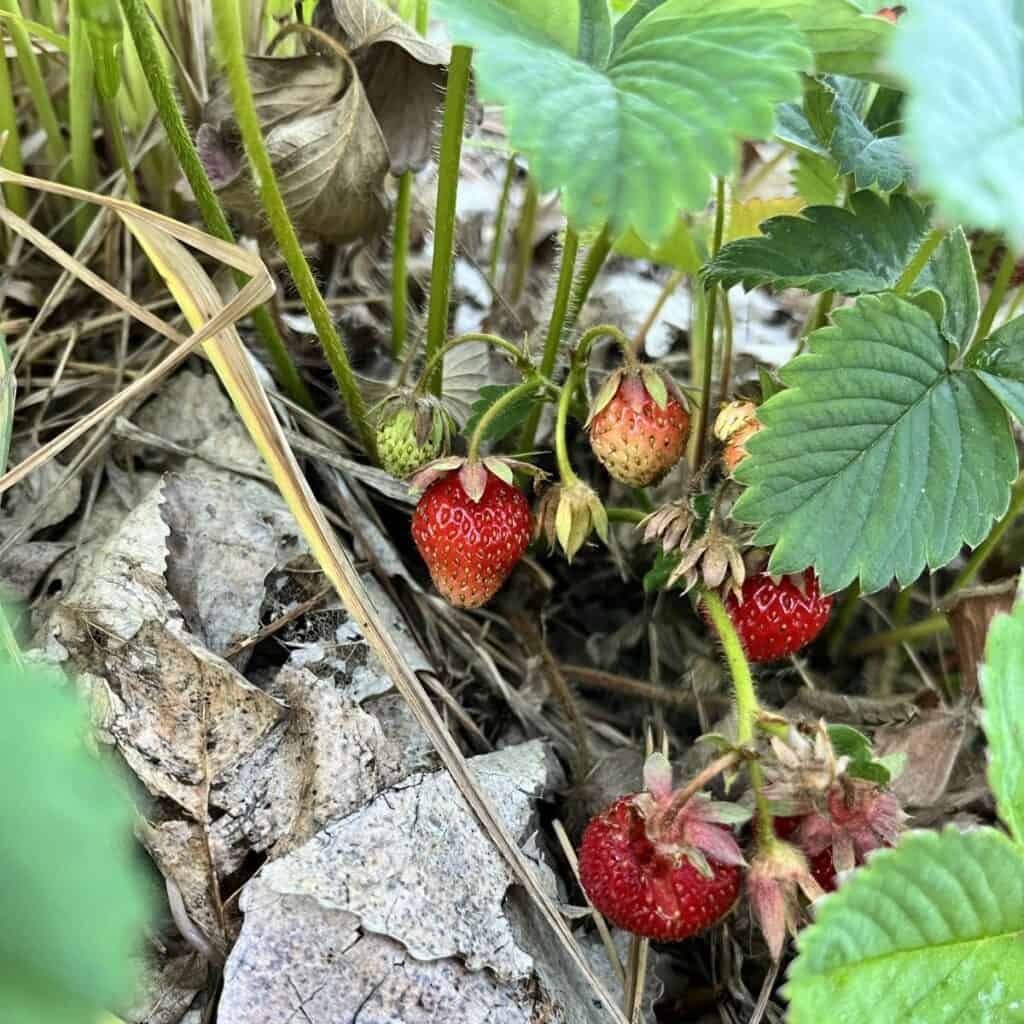
Wait to rinse strawberries until just before you eat them. Extra fresh strawberries can be frozen, dried, or made into jam and preserves for later in the year.
Renovating Your Strawberry Bed
After harvest season, June-bearing strawberry beds benefit from renovation. Mow or clip the foliage back, thin out excess runner plants, fertilize, and refresh the mulch. This renovation process keeps strawberry beds productive for several years before you need to replant.
Plan to replant your strawberry beds every three to four years to maintain the best fruit production. Replant into a new location if possible to reduce disease pressure.
Frequently Asked Questions About How to Grow Strawberries
When is the best time to plant strawberries? In zones 6 and north, early spring is the best time to plant strawberries, as soon as the soil can be worked. In zones 7 and south, fall planting is a good option. Spring planting gives the plants a full growing season to establish before their first harvest the following year.
How many strawberry plants do I need? For a family of four, plan on at least 25 plants for fresh eating. If you want to freeze, can, or make jam, 50 or more plants will give you enough to do all of the above and still have fresh berries to enjoy.
Can I grow strawberries in a raised bed? Yes — a raised bed is actually one of the best options for growing strawberries because it ensures good drainage and well-drained soil. A 4×4 or 4×8 raised bed works well for home gardeners.
Do strawberry plants spread on their own? Most strawberry varieties produce runners that form new daughter plants. Over the first growing season, a small number of mother plants can fill an entire raised bed with new plants.
Why are my strawberries small? Small fruit is often caused by heat and drought stress, overcrowded plants, or inadequate pollination due to cool and rainy weather during bloom time. Thinning plants, consistent watering, and protecting blooms from late frost all help improve fruit size.
More from East Fork Growing
Did you grow strawberries this year? Leave a comment below or share a photo on Pinterest — I’d love to see your strawberry patch!

East Fork Growing LLC is a participant in the Amazon Services LLC Associates Program, and the NutriMill affiliate program. These affiliate advertising programs are designed to provide a means for us to earn fees by linking to Amazon.com, NutriMill.com and affiliated sites. These products do not cost anymore to you, but we earn a small commission if you use our links. Thanks for your support!
Pin for Later